Alibaba unveils next AI chip, plans production in 2027
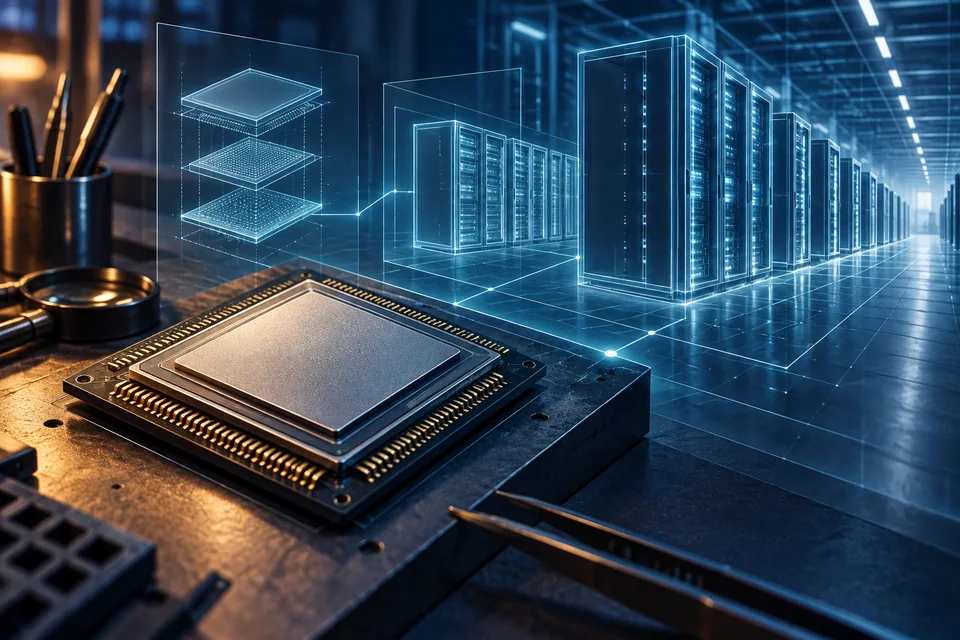
On September 22, Alibaba unveiled the Zhenwu V900 AI chip developed by its T-Head unit at a cloud technology conference in Hangzhou. The processor is designed for both training large AI models and running them. Alibaba says it offers three times the performance of its predecessor, the M890. That is a company specification, not an independent test result.
Mass production and commercial release are scheduled for the first quarter of 2027; the chip is not widely shipping today. Alibaba also said Qwen 4 is being trained. It described plans for later models and a target of operating more than 20 gigawatts of global data-centre capacity by 2032. Those are future plans, not current model releases or installed capacity.
Our analysis
AI competition is expanding from models to the supply behind them
What stands out to us is Alibaba presenting chips, data centres, Qwen and phone-based AI services as one connected plan. A smarter model cannot reach daily work without enough computers and electricity to run it. As more people use AI, the capacity behind the screen will shape how reliable and accessible it feels.
The announced targets still need to become working capacity. V900 production lies ahead, while the 2032 goal depends on construction, power supply and demand. The more useful measure over time will be how many people and businesses can use the systems reliably, beyond the launch-day specification sheet.
How could everyday life change?
The following is a possible future based on this news.
A factory may gain more hours in which to ask AI for help
Here is one possible future. A regional factory sends drawing comparisons and equipment records to an AI overnight. Running in a distant cloud, it prepares cases for staff to review the next morning. The factory uses only the computing it needs that day, without owning a giant model or data centre.
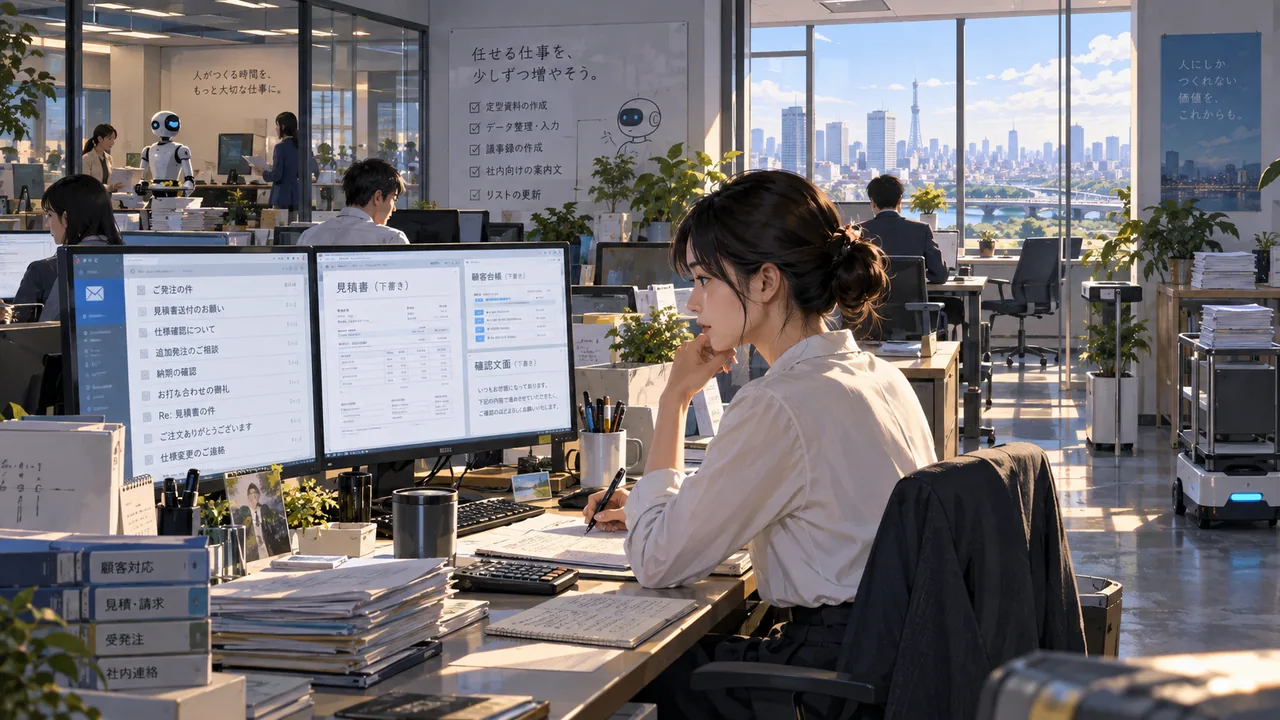
If such use spreads, decisions about where to add computers, how to deliver power and when to process work become linked. Whether AI reaches the factory will depend on chips and the electricity grid as well as the answers visible on its screens.