Study tests GPT-6 Astra as a robot controller, revealing a precision gap
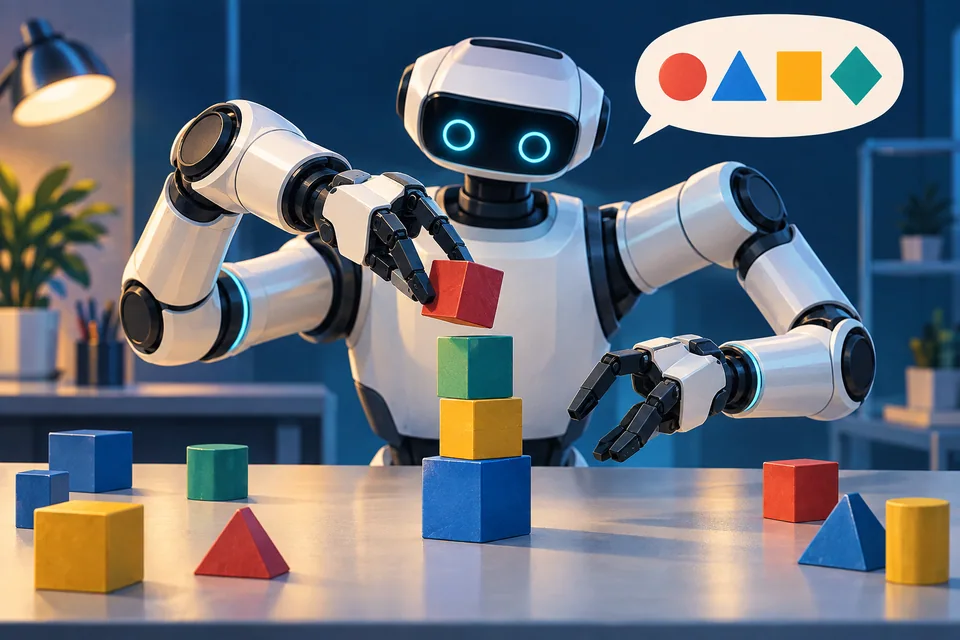
A September 21 preprint tested GPT-6 Astra issuing robot actions.
Average success across 42 simulated tasks was 22.48%. Unsafe real-hardware actions caused equipment damage and halted formal evaluation; nobody was injured. This does not establish product safety.
Our analysis
Tools may need to change alongside smarter robots
We see an opportunity in everyday objects that robots can handle easily. Understanding an instruction differs from grasping a thin item or making a tight insertion. Larger handles and predictable storage could create opportunities for furniture and container makers.
People need not adapt everything to machines. Designs that also help older people and children could make shared tools more accessible. Better AI may prompt a rethink of the home itself.
How could everyday life change?
The following is a possible future based on this news.
Easier storage could let robots take on chores gradually
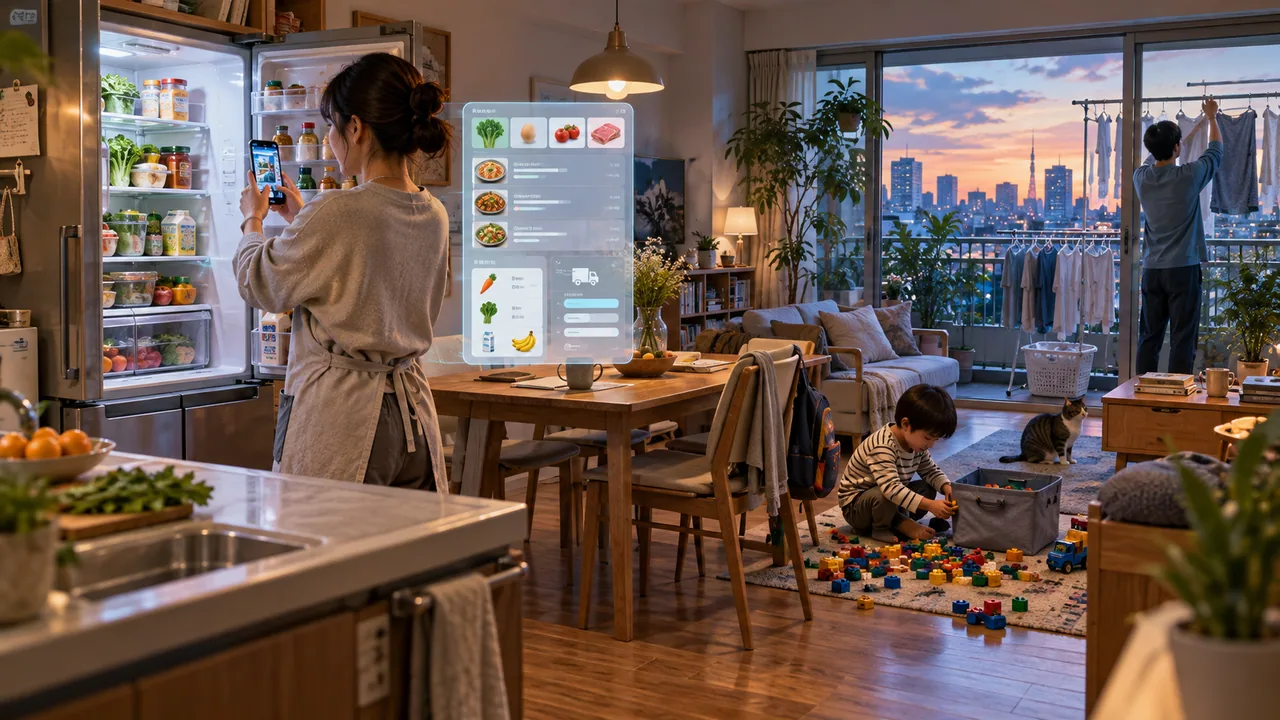
Imagine laundry baskets and toy boxes with handles that both people and robots can grasp. A request to put things back could delegate simple tidying first, reducing small daily burdens without promising every chore.
This is our future scenario. The study does not demonstrate safe household use; movement limits and safety checks still need separate engineering.